In today’s beauty landscape, smooth and flawless skin has become a key part of a polished and confident appearance. Among various facial hair removal methods, cheeks threading is gaining increasing attention as a natural, precise, and skin-friendly solution. Unlike waxing or shaving, threading removes hair from the root without the use of harsh chemicals, making it especially suitable for sensitive facial areas.
As more people shift toward gentle and minimalist beauty routines, cheeks threading stands out as an effective way to achieve clean, hair-free skin while maintaining skin health. In this article, we will explore everything you need to know about cheeks threading—from how it works and its benefits to safety tips and the latest trends—so you can decide if it’s the right choice for your skincare routine.
What Is Cheeks Threading?
Cheeks threading is a hair removal method that uses a twisted cotton thread to pull hair from the root, leaving the skin smooth and clean. It is a natural technique that does not involve chemicals, making it ideal for sensitive or acne-prone skin.
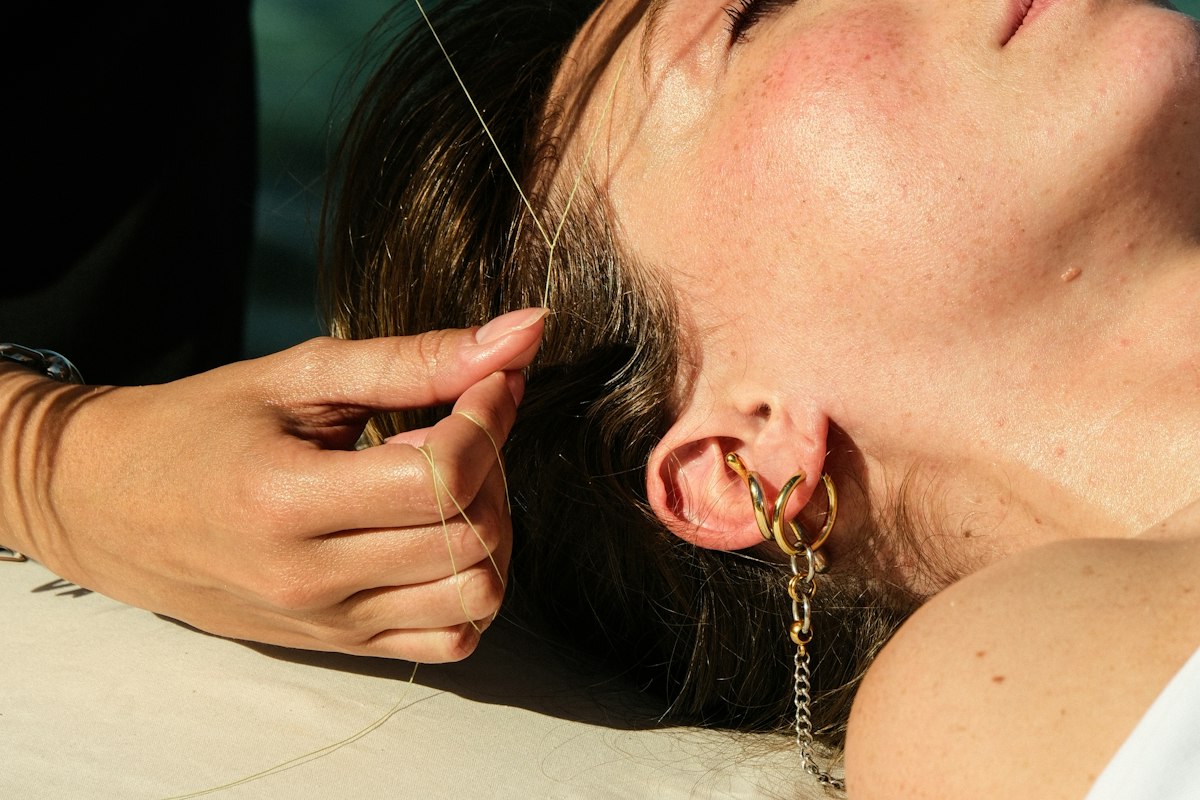
This method is highly precise, allowing even fine hairs to be removed effectively. Because hair is taken out from the root, results last longer than shaving, and regrowth appears softer over time.
Cheeks Threading Trends in 2026
In 2026, cheeks threading is becoming increasingly popular as part of the shift toward natural and skin-friendly beauty routines. More people are moving away from harsh chemicals and invasive treatments, choosing gentler methods that support long-term skin health.
One major trend is the rise of minimalist beauty, where individuals focus on enhancing their natural features rather than covering them up. Cheeks threading fits perfectly into this approach by offering clean, precise results without altering the skin’s natural texture.
Social media platforms, especially TikTok and Instagram, continue to influence beauty habits by showcasing quick, effective grooming techniques. As a result, cheeks threading is gaining attention as a simple yet effective solution for maintaining smooth and polished skin.
Overall, the trend highlights a growing preference for natural beauty, low-maintenance routines, and safe skincare practices.
Benefits of Cheeks Threading
Cheeks threading offers several advantages that make it a popular choice for facial hair removal. One of the biggest benefits is its precision, allowing even the finest hairs to be removed cleanly without affecting the surrounding skin.
Another key advantage is that it is completely chemical-free, making it safe for sensitive or acne-prone skin. Unlike waxing, threading does not pull on the skin, which helps reduce irritation and redness.
Additionally, because the hair is removed from the root, the results last longer and regrowth tends to be softer and less noticeable over time. Overall, cheeks threading is a gentle, effective, and natural way to achieve smoother, more refined skin.
How Cheeks Threading Works (Step-by-Step)
Cheeks threading follows a simple and structured process to ensure effective and safe hair removal. Below is a step-by-step breakdown:
Skin Preparation
The process begins with cleansing the face to remove dirt, oil, and makeup. Clean skin helps the thread grip the hair more effectively and reduces the risk of irritation.
Threading Technique
A thin cotton thread is twisted and rolled across the skin. The twisted thread catches unwanted hair and pulls it out from the root with precision, even targeting very fine hairs.
Hair Removal Process
The technician carefully moves the thread across the cheek area, removing hair in sections to ensure an even and smooth result without damaging the skin.
Post-Treatment Care
After threading, a soothing product such as aloe vera gel or calming lotion is applied to reduce redness and calm the skin. This helps the skin recover quickly and feel refreshed.
Cheeks Threading vs Other Hair Removal Methods
Cheeks threading is often compared to other popular hair removal methods. Each technique offers different benefits depending on your skin type, budget, and desired results.
Threading vs Waxing
Threading is gentler on the skin because it does not use heat or chemicals like waxing. This makes it a safer option for sensitive skin and reduces the risk of irritation or burns. Waxing, while effective, can sometimes pull on the skin and cause redness or discomfort.
Threading vs Shaving
Unlike shaving, which cuts hair at the surface, threading removes hair from the root. This means results last longer, and regrowth tends to be softer and less noticeable. Shaving may be quicker, but it often leads to faster and thicker-looking regrowth.
Threading vs Laser Hair Removal
Threading is a more affordable and natural option compared to laser treatments. It requires no long-term commitment and has minimal risk. On the other hand, laser hair removal can provide longer-lasting or even permanent results, but it is more expensive and requires multiple sessions.
Cheeks Threading vs Full Face Threading
Cheeks threading treats one zone, while full face threading usually combines the brows, upper lip, chin, forehead, cheeks, and sides in a single visit. If the cheeks are your only concern, a targeted appointment is quicker and costs less. If you already book several areas separately, a full face session can put everything on one schedule.
Is Cheeks Threading Safe?
Cheeks threading is generally considered a safe and gentle method of hair removal, especially when performed by a trained professional. Since it does not involve chemicals or heat, it is suitable for most skin types, including sensitive and acne-prone skin.
However, some mild side effects such as temporary redness, slight irritation, or tingling may occur right after the procedure. These effects are usually short-lived and fade within a few hours.
To ensure safety, it is important to maintain proper hygiene and choose an experienced technician. Individuals with highly irritated skin, active acne, or certain skin conditions should consult a professional before undergoing threading.
Overall, when done correctly, cheeks threading is a low-risk and effective option for achieving smooth and clean facial skin.
How Long Do Results Last?
The results of cheeks threading typically last between 2 to 4 weeks, depending on individual hair growth cycles. Since the hair is removed from the root, it takes longer to grow back compared to shaving.
Over time, with regular threading, hair may grow back finer and less noticeable. Factors such as genetics, hormones, and overall skincare routine can also influence how quickly hair regrows.
To maintain smooth and hair-free skin, most people choose to schedule threading sessions every few weeks. Consistency plays an important role in achieving longer-lasting and better results.

Does Cheeks Threading Hurt?
Cheeks threading may cause slight discomfort, but it is generally tolerable for most people. The sensation is often described as a quick pulling or tingling feeling as the hair is removed from the root.
Compared to waxing, threading is usually less painful because it does not involve pulling the skin—only the hair. The level of discomfort can vary depending on your pain tolerance, skin sensitivity, and the thickness of your hair.
For those new to threading, the first session might feel a bit uncomfortable, but the sensation often becomes easier to tolerate over time. Applying a soothing gel after the procedure can help reduce any lingering sensitivity and keep the skin comfortable.
How to Prepare for Your First Cheeks Threading Appointment
Good preparation makes threading more comfortable and helps the thread grip each hair cleanly. Think about the 48 hours before your visit, not only the morning of.
Two Days Before Your Appointment
- Pause strong exfoliants such as retinoids, glycolic or salicylic acid toners, and scrubs on the cheeks.
- Avoid tanning or long sun exposure, since sun-sensitized skin reacts more easily.
- Do not shave or tweeze the area, so the hair is long enough to be removed from the root.
On the Day of Your Visit
- Arrive with clean skin or with light makeup you are comfortable having removed.
- Skip heavy moisturizers or facial oils on the cheeks, as slippery skin makes threading less precise.
- Tell your technician about recent facials, peels, prescription skincare, or skin conditions.
If You Have Sensitive Skin
Mention it at the start. Your technician can work in smaller sections, keep the skin taut to reduce pulling, and pause if you need a moment. If you have reacted to facial hair removal before, describe what happened so the approach can be adjusted.

Quick Aftercare Checklist for the First 24 Hours
| Do | Avoid |
|---|---|
| Touch your face only with clean hands | Heavy makeup for several hours |
| Use a fragrance-free, gentle moisturizer | Exfoliants, retinoids, and acids for 24 hours |
| Apply sunscreen before going outside | Saunas, steam rooms, and hot workouts |
| Keep pillowcases and makeup brushes clean | Picking at small bumps |
Pre and Post Care Tips for Best Results
Proper care before and after cheeks threading is essential to achieve smooth results and minimize irritation. Following a simple routine can help protect your skin and maintain healthy-looking cheeks.
Before Threading
Before your threading session, make sure your skin is clean and free of makeup or oils. Avoid exfoliating or using strong skincare products right before the treatment, as this can make the skin more sensitive. It’s also best to avoid sun exposure to reduce the risk of irritation.
After Threading
After threading, your skin may be slightly red or sensitive, so it’s important to keep it calm and protected. Apply soothing products like aloe vera or a gentle moisturizer to reduce redness. Avoid direct sunlight, heavy makeup, and harsh skincare products for at least a few hours after the treatment to prevent irritation and allow the skin to recover properly.
Common Mistakes to Avoid
While cheeks threading is a safe and effective method, certain mistakes can reduce its benefits or cause skin irritation. Being aware of these common errors will help you achieve better and longer-lasting results.
Threading on Irritated Skin
Avoid threading when your skin is already irritated, sunburned, or experiencing active acne. This can worsen inflammation and lead to discomfort or breakouts.
Choosing Unskilled Technicians
Threading requires precision and technique. Choosing an inexperienced technician may result in uneven hair removal or unnecessary skin irritation. Always opt for a trained professional.
Skipping Aftercare
Ignoring post-threading care can lead to redness, sensitivity, or clogged pores. Applying soothing products and protecting your skin after treatment is essential.
Over-Threading Too Frequently
Threading too often can weaken the skin and cause irritation. It’s best to allow enough time between sessions for the skin to recover and maintain its natural balance.
Cost of Cheeks Threading
The cost of cheeks threading is generally affordable and varies depending on location, salon quality, and the technician’s experience. At N’s Beauty Lashes and Brows TX in Houston, cheeks threading is listed at $10, which makes it one of the most budget-friendly facial hair removal services on the menu. You can review all current rates on the waxing and threading prices page.
Compared to treatments like waxing or laser hair removal, threading offers a cost-effective solution without requiring a long-term financial commitment. While laser treatments may provide longer-lasting results, they are significantly more expensive and require multiple sessions.
Overall, cheeks threading is a practical choice for those looking for an effective, low-cost, and low-maintenance way to keep their skin smooth and hair-free.
At-Home Cheeks Threading: Is It Recommended?
At-home cheeks threading may seem like a convenient and cost-saving option, but it requires proper technique and practice to perform safely and effectively.
While some people can learn basic threading skills, beginners may find it difficult to control the thread and remove hair evenly. This can lead to uneven results, skin irritation, or accidentally pinching the skin.
For best results, it is recommended to visit a trained professional, especially if you are new to threading or have sensitive skin. However, if you choose to try it at home, make sure to use clean tools, follow proper hygiene, and practice carefully to avoid injury.
Who Should Choose Cheeks Threading?
Cheeks threading is suitable for a variety of individuals, especially those looking for a gentle and effective hair removal method. Below are the groups who can benefit the most:
People with Sensitive Skin
Ideal for individuals who experience irritation from waxing or chemical-based products, as threading is gentle and non-invasive.
Those with Fine Facial Hair
Works best for removing fine to moderate hair, helping create a smooth and even skin appearance.
Fans of Natural Beauty Routines
Perfect for people who prefer chemical-free and minimalist skincare approaches.
Individuals Seeking Low-Cost Maintenance
A great option for those looking for an affordable and regular grooming method without long-term commitments.
Who Should Avoid It
Not recommended for people with irritated skin, open wounds, severe acne, or certain skin conditions. Consulting a professional is advised in these cases.
Frequently Asked Questions
Below are some of the most common questions about cheeks threading to help you better understand the method and its results:
Does threading make hair grow thicker?
No, threading does not make hair grow thicker. Hair is removed from the root, and regrowth is usually softer and finer over time.
Can threading cause breakouts?
Threading itself does not directly cause breakouts, but improper hygiene or sensitive skin may lead to irritation. Keeping the skin clean and following aftercare can help prevent this.
How often should you thread your cheeks?
Most people schedule threading every 2–4 weeks, depending on their hair growth cycle and personal preference.
Is threading better than waxing for the face?
Threading is generally better for sensitive areas like the face because it does not use heat or chemicals, reducing the risk of irritation.
Should I wash my face before cheeks threading?
Yes. Clean skin without heavy creams helps the thread grip hair. Your technician will also cleanse the area before starting.
Can I get cheeks threading if I have acne?
Avoid threading over active, inflamed breakouts. Mention any acne at the start so the technician can work around those spots.
When can I wear makeup again?
Waiting several hours, or until redness settles, lowers the chance of clogged pores and bumps.
Conclusion
Cheeks threading is a simple, natural, and effective method for removing unwanted facial hair while maintaining healthy skin. With its precision, chemical-free approach, and suitability for sensitive skin, it has become a preferred choice for many people seeking a clean and polished look.
By understanding the process, benefits, and proper care routine, you can maximize results and minimize potential irritation. Whether you choose professional services or consider at-home options, consistency and gentle care are key to achieving the best outcome.
In the end, cheeks threading is about more than hair removal: it is a simple way to let your natural skin show through. If you are in Houston and want a precise, gentle result, book your cheeks threading appointment at NS Beauty Spa with a trained technician.