Itchy, crusty eyelids that look red along the lash line are easy to blame on tiredness or makeup. Sometimes the cause is blepharitis, a common inflammation of the eyelid margins, and in some cases tiny mites that live in eyelash follicles are part of the picture. This guide explains what blepharitis and eyelash mites are, the symptoms to watch for, how doctors usually manage them, and what it means if you wear lash extensions. It is educational information, not a diagnosis, so anyone with ongoing eye symptoms should see an eye care professional.
What Is Blepharitis?
Blepharitis is inflammation of the eyelid margins, the edges of the lids where the lashes grow. It can cause itching, burning, redness, swelling, and crusting along the lash line. Blepharitis may be short-term (acute) or long-lasting (chronic), and it often comes and goes. It is usually manageable but rarely disappears with a single treatment.
Medical references describe several contributors to chronic blepharitis, including bacteria on the lid margin, meibomian gland dysfunction (problems with the oil glands in the lids), skin conditions such as seborrheic dermatitis and rosacea, and an overgrowth of Demodex mites.
What Are Eyelash Mites?
Eyelash mites are microscopic mites from the Demodex family that live on human skin. Two species matter for the eyes: Demodex folliculorum, which lives in eyelash follicles, and Demodex brevis, which lives in oil glands, including the meibomian glands of the eyelids.
Having some Demodex mites is common and does not always cause symptoms. Problems tend to appear when the mites overpopulate, which can irritate the follicles and contribute to inflammation known as Demodex blepharitis.
Who is more likely to be affected?
Research reviews list increasing age, rosacea, and diabetes among the risk factors for Demodex blepharitis. Poor lid hygiene and heavy makeup residue at the lash line may also make the lid margin a more welcoming environment.
Symptoms of Blepharitis and Eyelash Mites
Symptoms overlap, so only an eye exam can tell them apart. Common signs include:
- Itching or burning along the eyelid edges
- Red, swollen, or greasy-looking lid margins
- Crusts or flakes at the base of the lashes, often worse in the morning
- A gritty or foreign-body feeling in the eye
- Watery or dry-feeling eyes and sensitivity to light
- Loose, broken, or missing lashes
- Recurrent styes
A sign specific to Demodex
Doctors look for collarettes, also called cylindrical dandruff: waxy, sleeve-like debris wrapped around the base of the lashes. Medical literature describes this as a characteristic sign of Demodex blepharitis, and it is usually confirmed with a slit-lamp examination.
How Blepharitis Is Diagnosed
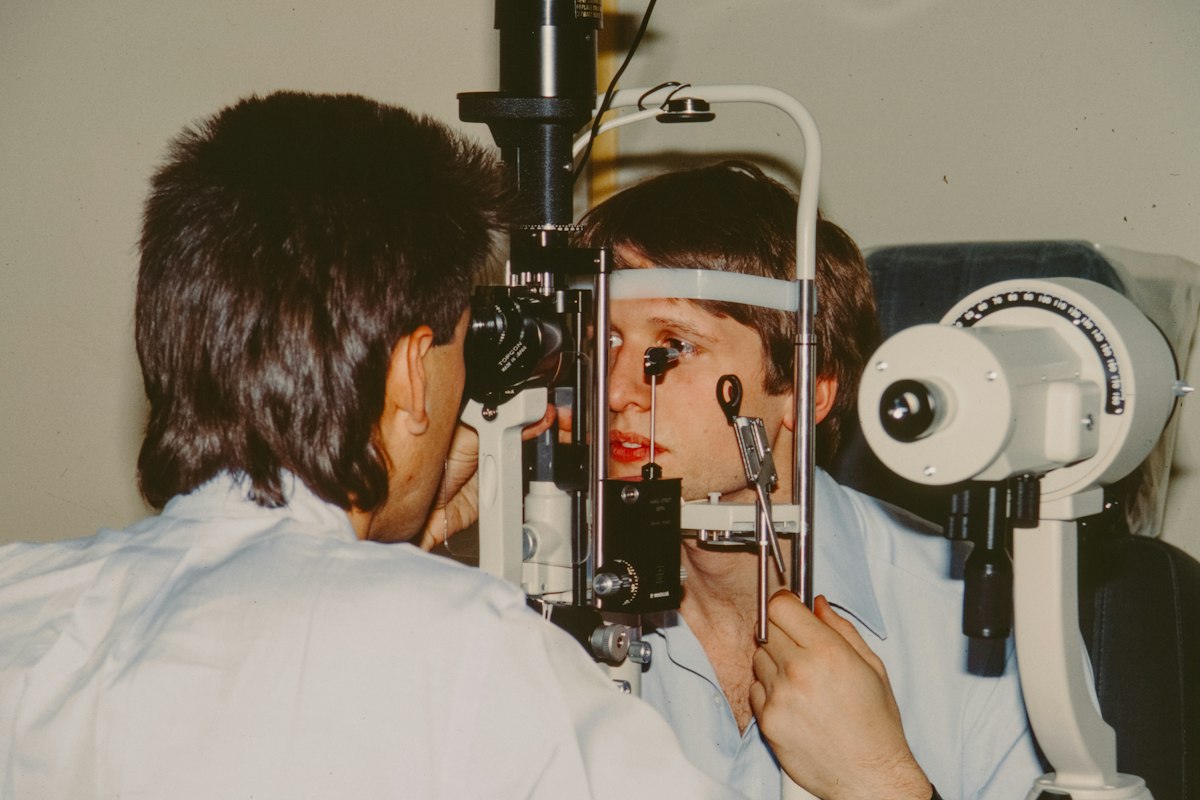
An optometrist or ophthalmologist typically examines the eyelids and lashes under magnification with a slit lamp. They may check the oil glands, look for collarettes, and in some cases examine a removed lash under a microscope to confirm mites. Because several conditions look similar, self-diagnosis based on photos online is not reliable.
How Blepharitis and Demodex Are Usually Managed
Treatment depends on the cause, and it should be guided by a doctor. According to the MSD Manual entry on blepharitis, eyelid hygiene with warm compresses and cleansing of the lid margins is the mainstay of care across types.
| Approach | Purpose |
|---|---|
| Warm compresses | Loosen crusts and soften oil in the lid glands |
| Lid cleansing | Remove debris, oil, and residue along the lash line |
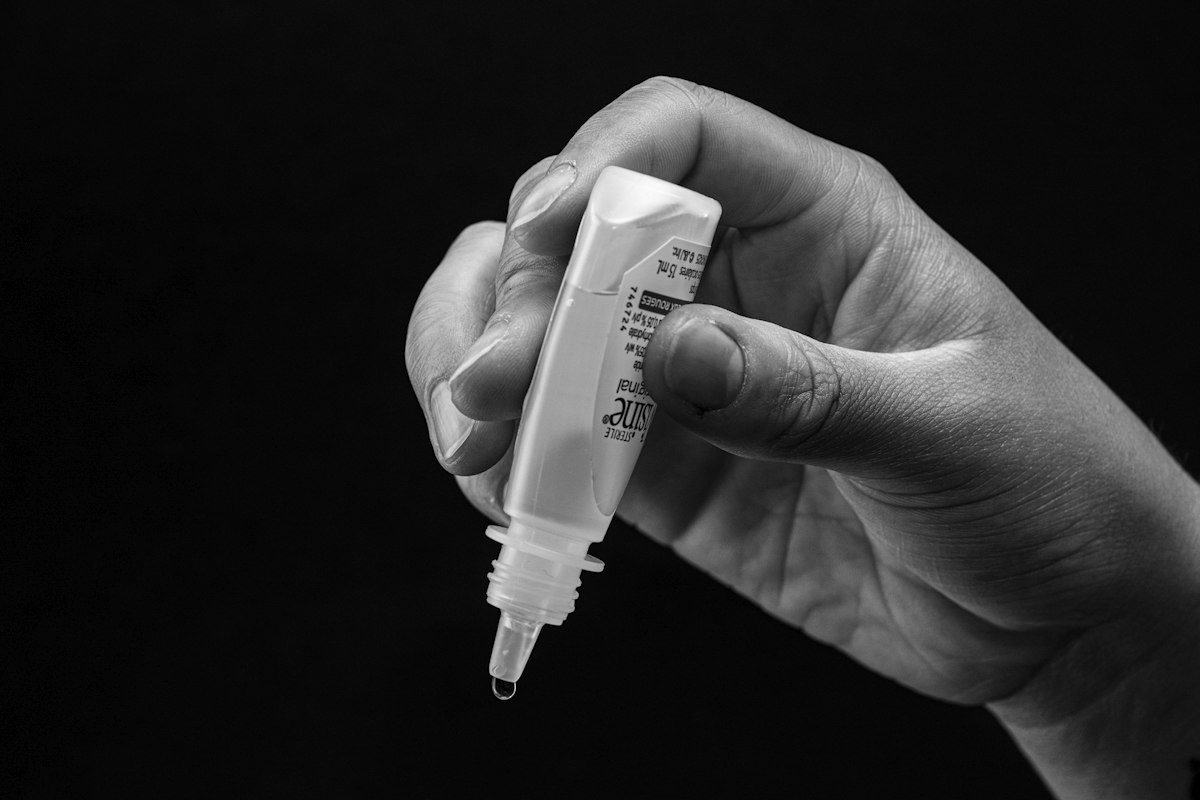
| Prescription treatment for Demodex | Some prescription eye drops are used to target mite overgrowth |
| Antibiotics or anti-inflammatories | Prescribed in some cases depending on cause and severity |
| Managing skin conditions | Treating rosacea or seborrheic dermatitis can reduce flare-ups |
Do not start medicated drops, tea tree products, or other strong remedies near the eyes without professional advice. Some ingredients can irritate the eye surface if used incorrectly.
Blepharitis, Eyelash Mites, and Lash Extensions
Lash extension clients often ask whether extensions cause mites. Extensions do not create Demodex, but anything that makes it hard to clean the lash line can allow oil, makeup, and debris to build up. That residue is the environment mites and bacteria tend to thrive in.
Good lash hygiene habits
- Cleanse your lash line daily with a gentle, oil-free cleanser approved by your lash artist.
- Brush extensions with a clean spoolie and replace it regularly.
- Avoid sleeping in eye makeup.
- Do not share mascara, eyeliner, or lash tools.
- Keep up with fills so old extensions do not trap debris.
When to pause lash services
If your eyelids are red, swollen, crusty, or itchy, postpone extensions, lash lifts, or tints and see an eye doctor first. A reputable lash studio will ask you to reschedule rather than work over inflamed lids. Once your doctor confirms the area is healthy, you can talk with your artist about returning to lash services.
A Gentle Daily Lid Care Routine
Many eye doctors recommend a simple routine for people prone to blepharitis. Ask your own provider to confirm what suits you, but a typical routine looks like this:
- Wash your hands before touching the eye area.
- Apply a warm compress over closed eyelids for a few minutes to soften crusts and oils.
- Cleanse the lid margins with a product or method your eye doctor recommends, moving gently along the lash line.
- Rinse and pat dry with a clean towel that you do not share.
- Repeat consistently, since benefits usually build over weeks rather than days.
Consistency matters more than intensity. Scrubbing harder or using strong products can irritate the lids and make symptoms worse. If your eyes sting during the routine or symptoms do not improve, go back to your eye doctor for a review.
Can You Prevent Blepharitis?
Because chronic blepharitis tends to recur, the goal is usually fewer and milder flare-ups rather than a permanent cure. Daily lid hygiene, removing makeup every night, replacing eye products regularly, and managing related skin conditions all help. Contact lens wearers should follow cleaning instructions closely and ask their eye doctor whether lid care should be part of their routine.
When to See an Eye Doctor
Seek professional care promptly if you have eye pain, changes in vision, strong sensitivity to light, thick discharge, a swollen lid, or symptoms that do not improve with gentle lid hygiene. These signs can point to infections or other conditions that need treatment.
FAQ About Blepharitis and Eyelash Mites
These answers address common concerns about blepharitis and eyelash mites, especially for people who wear lash extensions.
Are eyelash mites contagious?
Demodex mites can spread through close contact and shared items like towels or makeup, which is one reason not to share eye products.
Can I get lash extensions if I have blepharitis?
Not during a flare-up. Wait until an eye doctor confirms your lids are healthy, then follow strict lash hygiene.
Does blepharitis cause eyelash loss?
It can. Inflammation and crusting at the lash base may loosen lashes. Lashes often regrow once the inflammation is controlled.
Is blepharitis serious?
It is usually not sight-threatening, but it can be uncomfortable and may lead to complications such as styes or eye surface irritation if left unmanaged.
Conclusion
Blepharitis and eyelash mites are common, manageable conditions that respond best to consistent lid hygiene and a doctor’s guidance. Itching, crusting, and redness at the lash line deserve attention, especially before any lash service.
When your eyes are healthy and you are ready for lash care, the team at NS Beauty Spa in Houston can recommend lash styles and aftercare that keep your lash line clean.