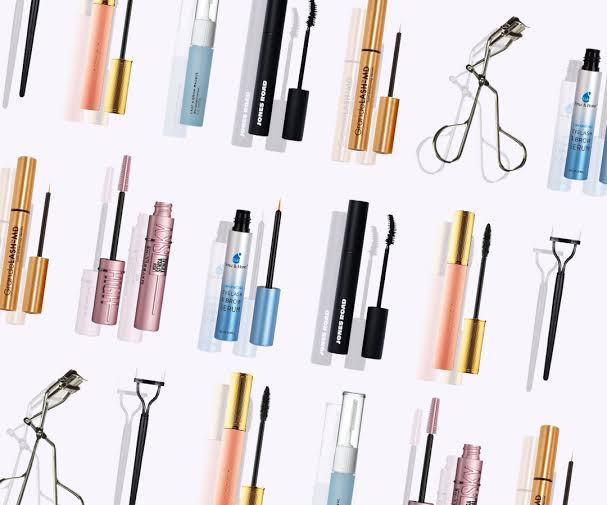
In the world of professional Eyelash Materials extensions, the quality of the final result depends on more than just application techniques and artistic skills. One of the most important factors is the eyelash material used during the extension process. Different lash materials can significantly affect the appearance, comfort, retention, and overall client experience.
Today’s lash industry offers a wide range of options, from synthetic lashes and faux mink lashes to silk and cashmere lashes. Each material is designed with unique characteristics that cater to different lash styles, eye shapes, and client preferences. Whether the goal is to create a natural everyday look or a dramatic volume effect, choosing the right lash material is essential for achieving beautiful and long-lasting results.
What Are Eyelash Materials?
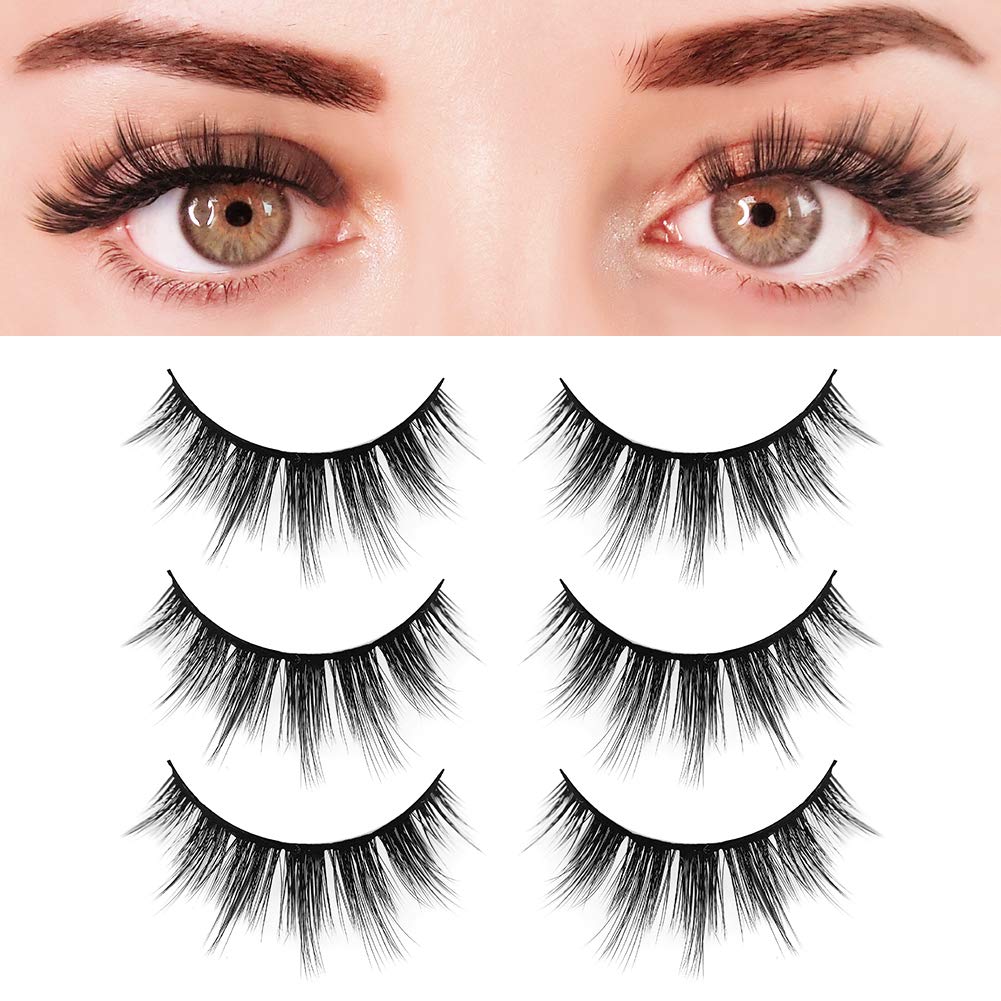
Eyelash materials are the fibers used to create eyelash extensions. They play a key role in determining the lashes’ softness, weight, durability, and overall appearance. Popular options include synthetic, faux mink, silk, and cashmere lashes, each offering unique benefits for different lash styles and client preferences. Choosing the right material helps achieve better comfort, retention, and aesthetic results.
Types of Eyelash Materials
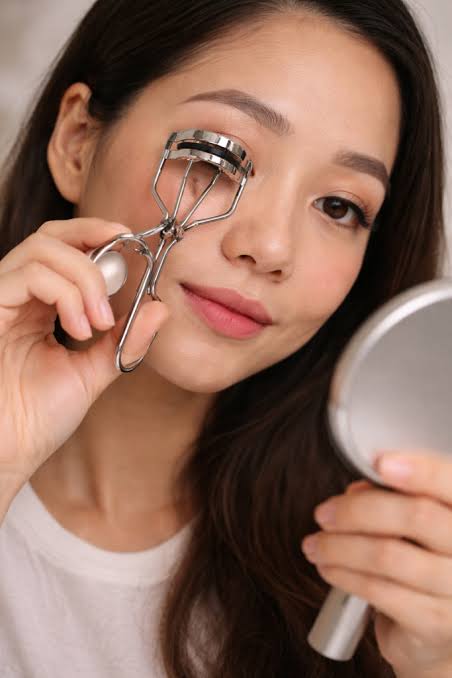
Several eyelash materials are available in the lash industry, each offering unique characteristics and benefits. Understanding these options helps lash artists choose the most suitable lashes for different styles and client needs.
Synthetic Lashes
Synthetic lashes are made from polished synthetic fibers and are known for their durability and defined appearance. They hold their curl well and are commonly used for dramatic lash looks.
Faux Mink Lashes
Faux mink lashes are designed to mimic the softness and texture of natural mink fur. They are lightweight, comfortable to wear, and create a more natural-looking finish.
Silk Lashes
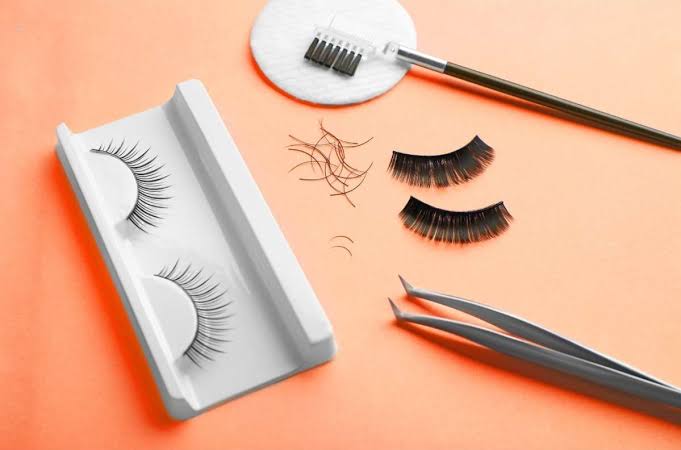
Silk lashes offer a balance between softness and structure. They have a slightly glossy finish and are suitable for both classic and volume lash applications.
Cashmere Lashes
Cashmere lashes are ultra-lightweight and soft, making them an excellent choice for clients who prefer maximum comfort and a natural appearance. They are often used for advanced volume techniques.
How to Choose the Right Eyelash Material
Selecting the right eyelash material depends on the client’s desired look, natural lash condition, and comfort preferences. Lightweight materials such as faux mink and cashmere are ideal for creating natural-looking lash sets, while synthetic lashes are often chosen for bolder and more dramatic styles.
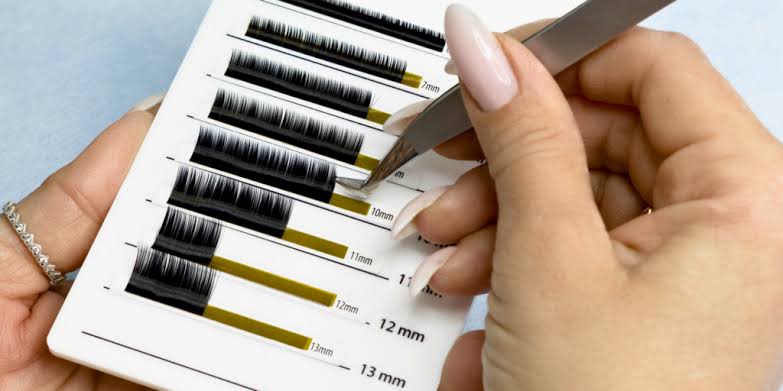
Lash artists should also consider factors such as lash thickness, curl retention, and durability when choosing materials. By matching the appropriate lash material to each client’s needs, professionals can achieve better retention, enhance comfort, and deliver more satisfying results.
Benefits of High-Quality Eyelash Materials
Using high-quality eyelash materials offers several advantages for both lash artists and clients. Premium lashes are softer, lighter, and more comfortable to wear throughout the day. They also maintain their curl better and provide a more natural appearance.
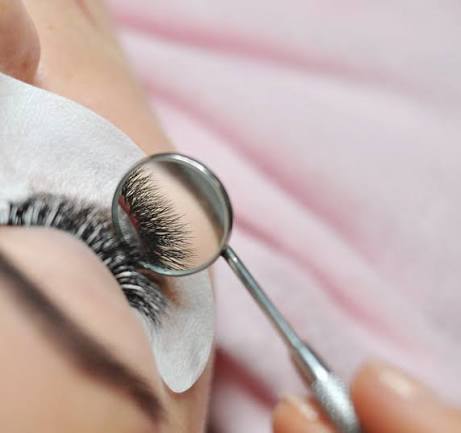
In addition, quality lash materials can improve retention by bonding more effectively with lash adhesive. This helps extensions last longer and reduces the need for frequent touch-ups. For lash professionals, investing in high-quality materials can lead to better results, increased client satisfaction, and stronger customer loyalty.
Synthetic vs. Natural Eyelash Materials
Synthetic and natural eyelash materials differ in terms of origin, texture, weight, durability, and cost. Understanding these differences can help lash artists and clients choose the most suitable material based on the desired look, comfort, and budget.
| Factor | Synthetic Eyelashes | Natural Eyelashes |
|---|---|---|
| Material Origin | Made from man-made fibers, commonly PBT | Made from natural animal hair, such as mink |
| Softness & Feel | Smooth, lightweight, and available in different textures | Typically softer and more natural-feeling |
| Weight & Flexibility | Lightweight with consistent flexibility and structure | Usually soft and flexible, but characteristics can vary |
| Durability & Shape Retention | Excellent curl and shape retention with consistent performance | May be more sensitive to moisture, heat, and environmental conditions |
| Appearance | Can create natural, dramatic, or highly defined looks | Often provides a soft, natural-looking finish |
| Cost | Generally more affordable and widely available | Typically more expensive due to natural sourcing |
| Best For | Clients who want consistent results, defined curls, and a wide range of styles | Clients who prefer a softer, more natural appearance |
Overall, synthetic eyelash materials are often preferred for their consistency, versatility, and reliable shape retention, while natural materials may appeal to those looking for a softer, more natural finish. The best option ultimately depends on the desired lash style, comfort, maintenance preferences, and individual needs.
Frequently Asked Questions About Eyelash Materials
What is the best material for eyelash extensions?
The best eyelash material depends on the desired look, comfort level, and lash extension technique. Synthetic materials such as PBT are widely used because they offer consistent curl, lightweight construction, durability, and a variety of finishes.
Are synthetic lashes better than mink lashes?
Neither material is universally better. Synthetic lashes offer more consistent shape, curl, and performance, while mink lashes are known for their soft, natural-looking appearance. Synthetic options are often preferred for their versatility and easier maintenance.
Which eyelash material looks the most natural?
Mink and faux mink lashes are commonly chosen for a soft, natural-looking effect. However, the final appearance also depends on the lash thickness, curl, length, and application technique.
What is the softest eyelash material?
Natural mink is often considered one of the softest eyelash materials. Faux mink and silk-style synthetic lashes can also provide a soft, lightweight feel while offering more consistent shape and performance.
Are silk lashes suitable for sensitive eyes?
Silk-style synthetic lashes may be suitable for clients who prefer lightweight extensions, but sensitivity depends on more than the lash material itself. Adhesive ingredients, application techniques, and individual allergies can also affect comfort. A qualified lash technician can help determine the most appropriate option.
Which eyelash material lasts the longest?
Synthetic PBT lashes generally provide excellent durability and shape retention. However, the overall lifespan of eyelash extensions depends largely on the natural lash growth cycle, adhesive quality, application technique, and aftercare rather than the lash material alone.
Conclusion
Eyelash materials play a crucial role in the quality, comfort, and appearance of eyelash extensions. From synthetic and silk lashes to faux mink and cashmere options, each material offers unique characteristics to suit different styles and preferences.
At NS Beauty Spa, understanding the differences between eyelash materials helps lash artists select suitable options for each client and create customized lash sets. Using high-quality materials can enhance the overall appearance, comfort, and durability of eyelash extensions, helping you achieve beautiful, professional-looking results.