If you have hooded eyes, you probably know the frustration: mascara transfers onto your lid, eyeliner disappears when your eyes are open, and lashes that look long in the mirror seem to vanish under the fold. Eyelash extensions for hooded eyes can solve many of these problems, but only when the set is designed with the lid in mind. Length alone rarely helps.
The right curl, smart mapping, and careful weight make the difference between lashes that pop and lashes that get hidden or bent. This guide explains how hooded eyes affect lash extensions, which styles and curls work best, what to ask your artist, and how to care for your set.
What are eyelash extensions for hooded eyes?
Eyelash extensions for hooded eyes have an extra fold of skin that sits over the crease and partly covers the mobile eyelid when the eyes are open. Depending on how much the fold drops, it may hide some or most of the lid and the base of the upper lashes. Hooding can be genetic or develop with age as skin loses firmness.
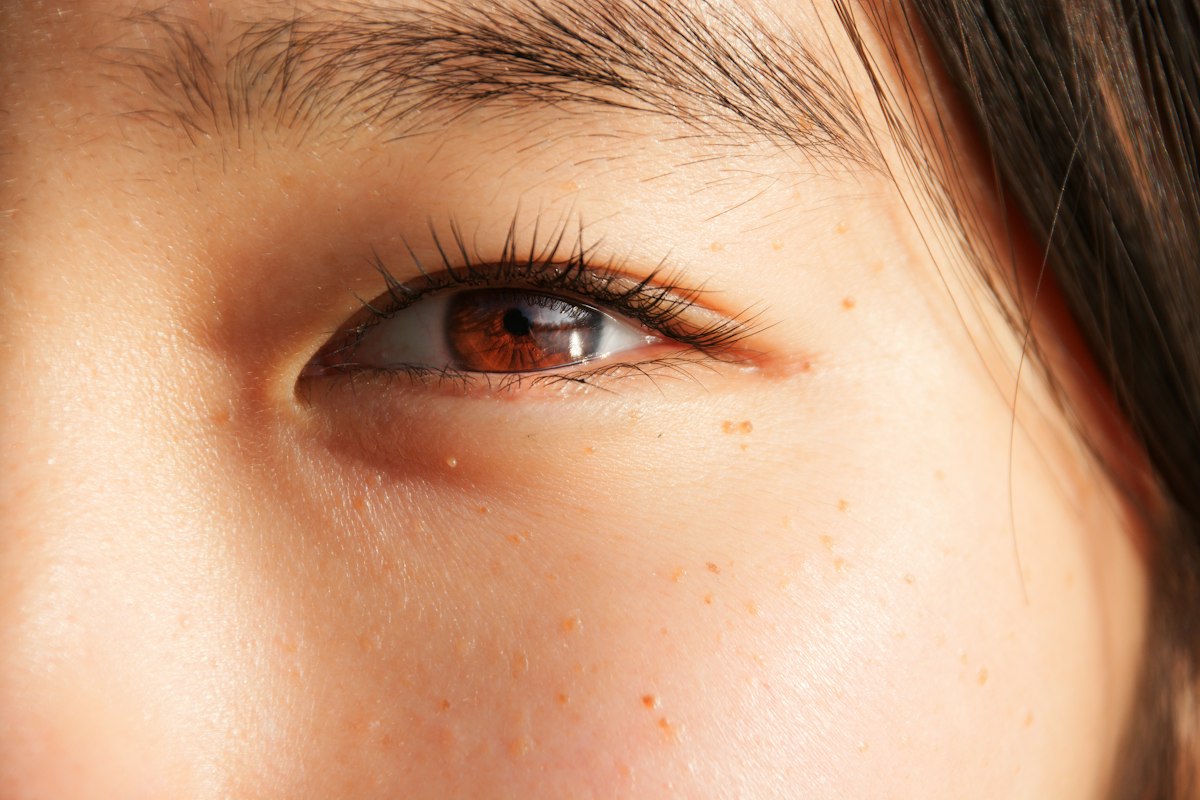
Hooding exists on a spectrum. Some people have a slight hood that only shows at the outer corners, while others have a fold that covers nearly the whole lid. The amount of hooding shapes every decision your lash artist makes.
Hooded eyes vs monolids
Monolid eyes have no visible crease at all, while hooded eyes do have a crease that is covered by the fold. The difference matters because hooded eyes usually have a slightly deeper socket, which affects how lashes sit.
How to check if your eyes are hooded
Look straight into a mirror with your face relaxed. If you can see very little of your eyelid between your lashes and the crease, or if the skin above the crease touches your lashes, you likely have some degree of hooding.
Why Hooded Eyes Need a Different Lash Approach
Standard lash maps assume there is a visible lid for the lashes to sit in front of. With hooded eyes, the fold changes how much of each extension is visible and how the lashes behave through the day.
The lid can hide the lash base
When the fold covers the lash line, the first few millimeters of each extension are hidden. Lashes that lack lift can disappear under the skin and look shorter than they are.
Lashes can press against the lid
If the curl is too soft, extensions may rest against the hooded skin. That can bend them, push them downward, and leave them looking flat or crossed.
Oil and makeup transfer
The fold can transfer skincare, oil, and makeup onto the lashes. Over time, that build-up can weaken the adhesive bond if the lash line is not cleansed regularly.
Hooding changes how length reads
On an open lid, every millimeter of an extension is visible from the front. On a hooded lid, the first part of the lash sits behind the fold, so the visible length can be noticeably shorter than the extension itself. This is why two clients wearing the same length can look completely different: the one with hooded eyes may see far less of it.
No two hoods are the same
Hooding varies in depth, and it is often uneven between the left and right eye. Some people have a fold that only drops at the outer corner, while others have a hood that rests on the lashes across the whole lid. The table below shows how artists commonly adjust their approach to the degree of hooding.
| Degree of hooding | What you see | Typical lash approach |
|---|---|---|
| Slight | Some lid visible, fold sits above the lashes | C or CC curl, most styles work |
| Moderate | Fold covers much of the lid when eyes are open | CC or D curl, moderate lengths, open-eye shape |
| Deep | Fold rests on or near the lash line | D, L or L+ curl, lighter density, careful outer corner |
| Uneven | One eye more hooded than the other | Different curl or length per eye to balance the result |
These are starting points rather than rules. Your artist will confirm the best approach by watching how your lid moves when you blink and look straight ahead.
Best Lash Styles for Hooded Eyes
Most lash styles can work on hooded eyes with the right adjustments, but some maps flatter them more naturally. Here is how popular styles compare.
| Style | Why it works for hooded eyes | Adjustments |
|---|---|---|
| Open eye or doll eye | Center length lifts the middle of the eye above the fold | Use a stronger curl in the center |
| Soft cat eye | Lifts the outer corner where hooding often drops most | Keep the peak slightly inward to avoid a droopy look |
| Natural or classic | Lightweight and easy to maintain | Extra curl so lashes clear the lid |
| Light hybrid | Adds density without heaviness | Avoid very dense bases that look like a dark band under the fold |
| Wispy | Spikes show above the hood and create texture | Keep spikes moderate in length |
Clients who want fullness without overloading the lid often choose hybrid lash extensions, because the mix of classic lashes and light fans keeps the set airy.
Styles that need extra care
Very dense mega volume sets and long, straight cat eye flicks can look heavy on hooded eyes. They are not impossible, but they need careful planning so the lashes do not crowd the fold or droop at the outer corner.
Matching the style to your level of hooding
The deeper the hood, the more the style should prioritize lift over drama. A slight hood can carry almost any map, including a fuller hybrid or a soft cat eye. A moderate hood usually looks best with an open-eye shape that peaks above the pupil, because that is where the lid lifts most when the eye opens. A deep hood often suits a natural or light hybrid set, where every lash has room to rise above the fold instead of crowding under it.
A practical example
Imagine a client with moderate hooding who loves the look of a full volume set in photos. On her eyes, a dense base would sit mostly under the fold and read as a dark shadow. A more flattering version might use a light hybrid base, a D curl through the center, and slightly shorter outer lashes. The result still looks full from the front, but the lashes are visible, lifted, and comfortable.
Why texture can help
Wispy or lightly spiked sets often flatter hooded eyes because the longer spikes poke above the fold and catch the light. Even when part of the base is hidden, those peaks keep the lash line looking defined.
Choosing the right curl, eyelash extensions for hooded eyes
Curl is the most important choice when designing eyelash extensions for hooded eyes. A curl that lifts lashes away from the lid lets them show above the fold and keeps them from bending.
C curl
A versatile, natural curl. It can work for slight hooding, but on deeper hoods it may not lift lashes enough.
CC and D curl
Stronger curls that lift lashes higher. They are common choices for hooded eyes because they push the visible length above the fold.
L and L+ curl
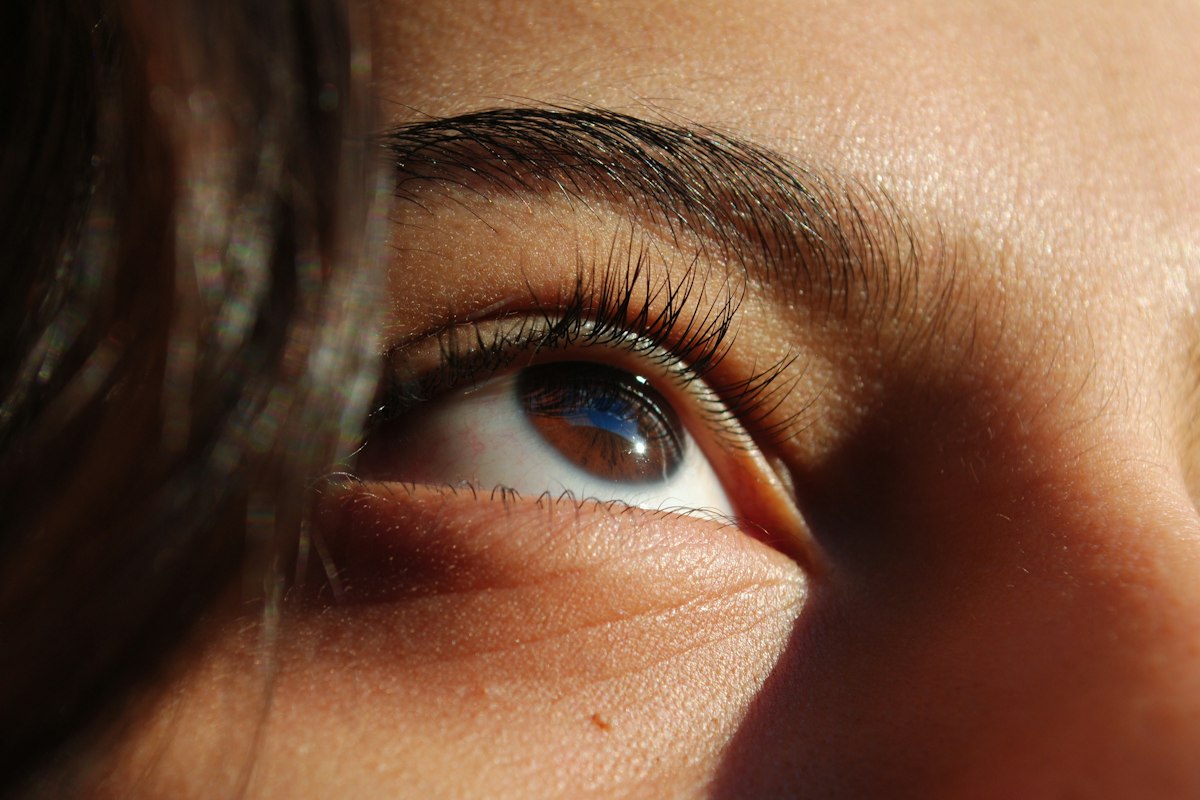
These curls have a flat base and a sharp upward bend. They are designed for straight or downward-pointing natural lashes and for eyes where the lid sits close to the lashes, such as hooded or monolid eyes.
You can compare all the shapes in our guide to types of eyelash curls. Your artist may mix curls across the eye, using stronger lift where the hood drops most.
How curl and length work together
On hooded eyes, a shorter extension with a stronger curl can look longer from the front than a longer extension with a soft curl. The stronger curl lifts more of the lash into the visible area above the fold, while a softer curl lets more of the length sit hidden or rest against the skin. That is why your artist may suggest reducing length and increasing curl rather than the other way around.
Curl based on natural lash direction
The direction your natural lashes grow matters as much as your lid shape. The table below shows common starting points.
| Natural lash direction | Curls often considered | Why |
|---|---|---|
| Already lifted | C or CC | The natural lash does part of the work |
| Straight forward | D or L | Adds lift that the natural lash lacks |
| Pointing downward | L or L+ | The flat base sits along the lash, then bends upward |
| Mixed across the eye | Combination | Different curls where the direction changes |
Comfort comes first
A curl that lifts lashes away from the lid is also more comfortable. If extensions touch the hooded skin, they can feel scratchy and may bend over time. Tell your artist if you feel any contact after the set is finished, so they can adjust the curl in that area.
How a Lash Map Is Designed for Hooded Eyes
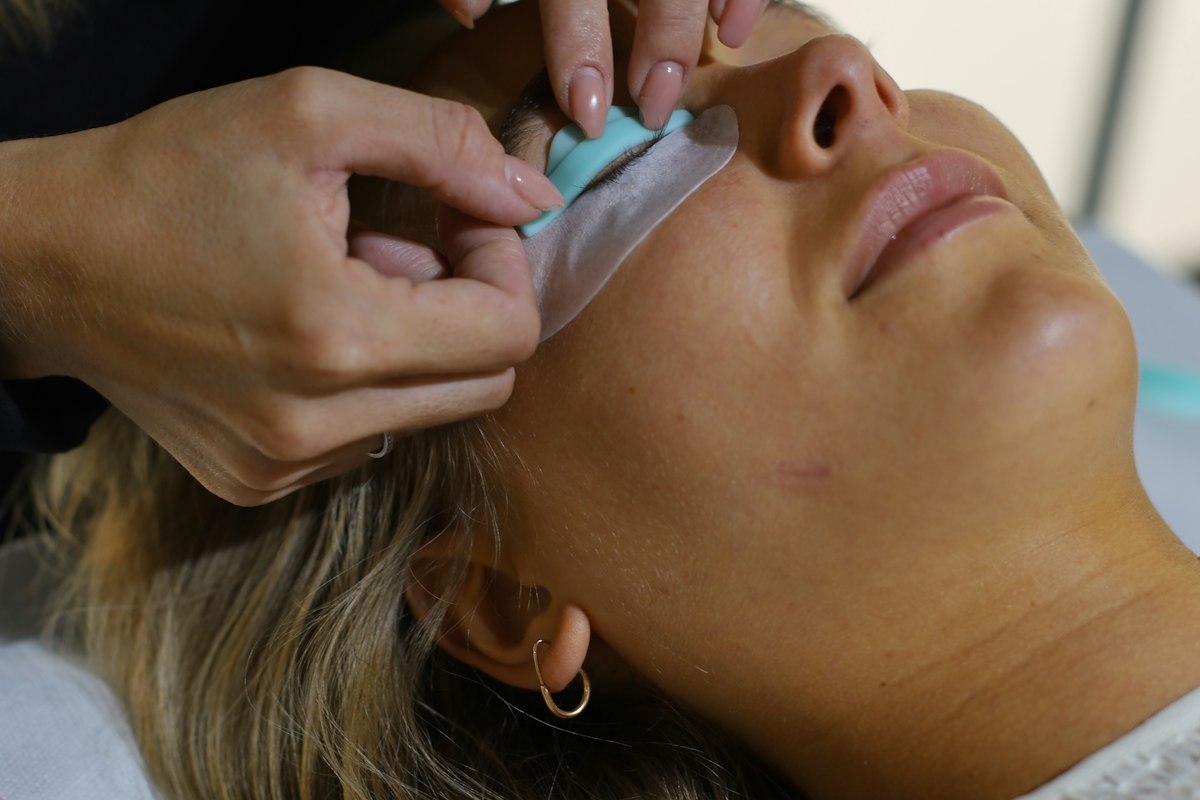
When planning eyelash extensions for hooded eyes, the artist maps with your eyes open as well as closed. Seeing where the fold sits when you look straight ahead shows which lashes will be visible.
Finding the visible zone
The artist notes where the hood covers the lash line and where it lifts. Lengths and curls are then chosen so lashes rise into the visible zone above the fold.
Keeping lengths realistic
Longer lashes do not always show more on hooded eyes. If the curl is weak, extra length just bends against the lid. A moderate length with a strong curl usually looks longer from the front.
Balancing the outer corner
Hooding is often heaviest at the outer corner. Placing the longest lashes slightly inward from the corner, with a lifted curl, prevents a drooping effect.
Managing density
A very dense base can look like a dark shadow under the fold. Many artists keep density moderate and let curl and length create impact instead.
What to Expect at Your Appointment
A full set for hooded eyes follows the same basic steps as any lash appointment, with a little extra time spent on assessment and mapping.
- Consultation: Discuss how your hooding affects makeup and what bothers you most about your lashes.
- Eye assessment: The artist observes your eyes open and closed to see where the fold falls.
- Mapping: Lengths and curls are planned around the visible zone.
- Application: Extensions are attached one natural lash at a time with your eyes closed.
- Check: You open your eyes so the artist can confirm the lashes clear the fold evenly.
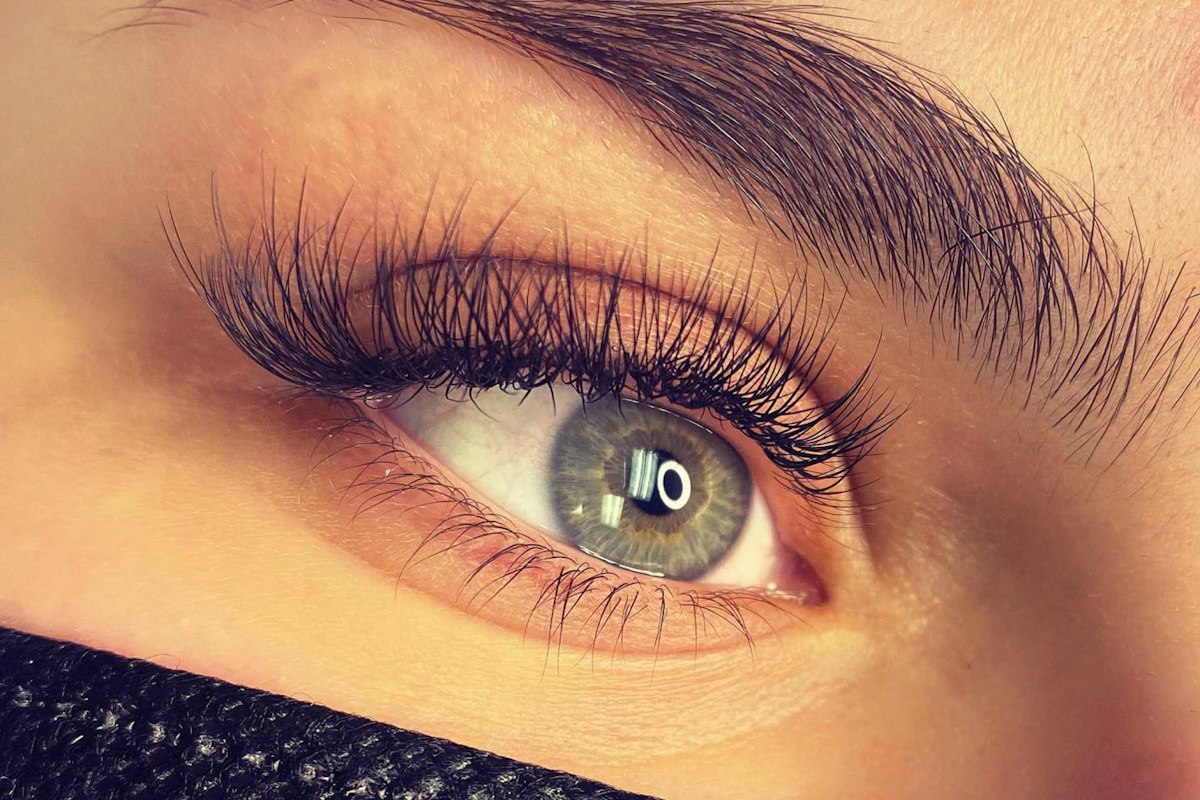
Tell your artist if your hooding is more noticeable on one side. Small differences between the eyes are common, and adjusting curl or length for each eye keeps the finished set looking balanced.
Lash lift vs eyelash extensions for hooded eyes
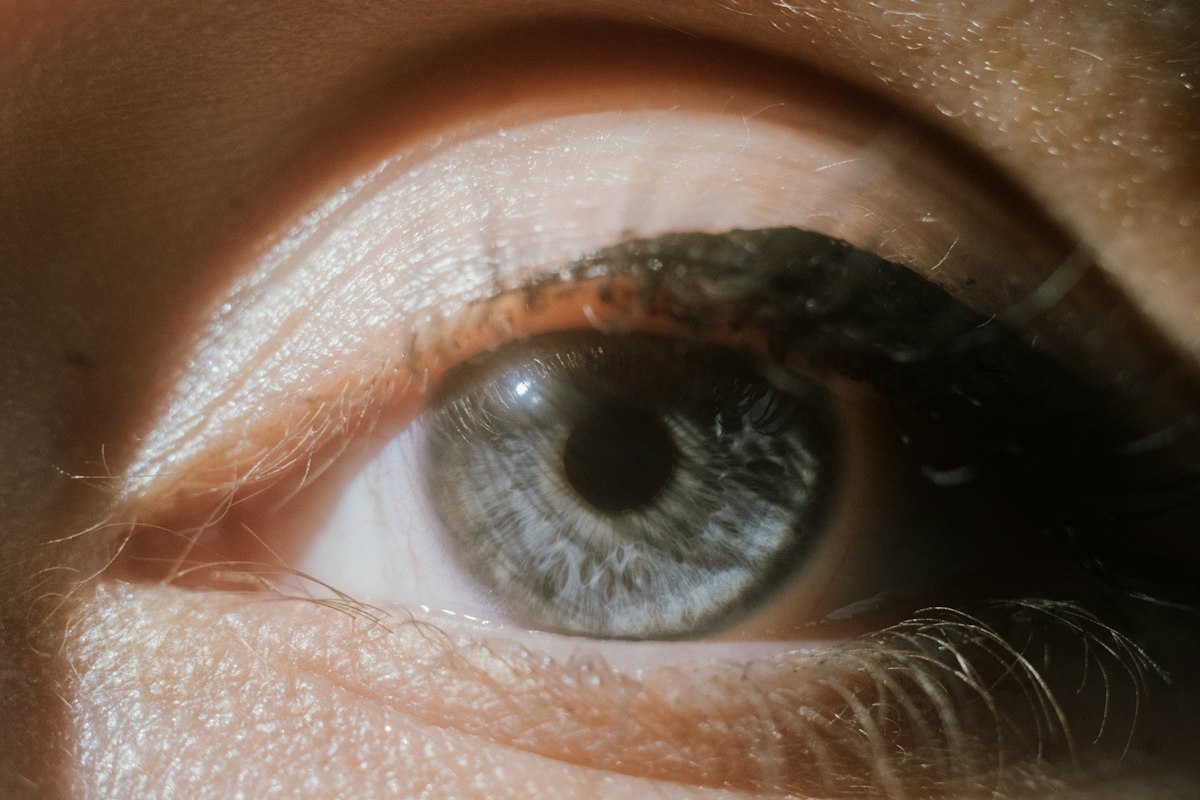
Some clients with hooded eyes wonder whether a lift would be simpler than extensions. Both can work, and the right choice depends on your natural lashes and goals.
| Feature | Lash extensions | Lash lift |
|---|---|---|
| Adds length and density | Yes | No, uses your own lashes |
| Lift above the fold | Through curl choice | Through perming your natural lashes upward |
| Maintenance | Fills every 2–3 weeks | Repeat every few weeks as lashes grow |
| Best for | Sparse or short lashes, more drama | Long but straight natural lashes |
If your natural lashes are already long but point straight out, a lash lift and tint may give you the lift you need without extensions.
When a lift may be the better choice
A lift works best when your natural lashes already have good length but grow straight or downward. Curling them upward lets them clear the fold without adding any weight. Clients who want low maintenance, play sports, or prefer a very natural result often lean toward a lift.
When extensions make more sense
If your natural lashes are short, sparse, or uneven, a lift can only curl what is there. Extensions add length and density, and the curl can be chosen to suit your hood. They are also the better option if you want a defined, mascara-free look every day.
Can you combine the two?
A lift and extensions are usually not done on the same lashes at the same time. If you are switching from one to the other, ask your artist how long to wait and whether your natural lashes need a short break first.
Aftercare for Lash Extensions on Hooded Eyes
When you wear eyelash extensions for hooded eyes, the lid can press on lashes and transfer oil, so aftercare matters even more than usual. These habits help your extensions stay lifted and clean.
Cleanse often
Wash the lash line regularly with an oil-free cleanser, paying attention to the area under the fold where oil collects.
Choose eye products carefully
Oil-based eye creams and heavy concealers can migrate onto the lashes. Apply skincare below the brow bone and away from the lash line.
Brush daily
Brush lashes upward each morning to restore their lift after sleep. A clean spoolie keeps them separated.
Keep eye products clean and never share them; the FDA’s eye cosmetic safety guidance also recommends seeing a doctor if irritation from an eye product persists.
A simple cleansing routine
- Wet the lash line gently with lukewarm water.
- Apply a small amount of oil-free lash cleanser and work it along the lash line with a soft brush, including the area under the fold.
- Rinse thoroughly so no residue stays on the lashes or lid.
- Pat the skin around the eye dry, then let the lashes air-dry or use a cool setting on a hairdryer held at a distance.
- Brush the lashes upward once they are dry.
Sleep and skincare habits
Sleeping on your back protects the lift, because side sleeping can press lashes against the pillow and the hooded lid at the same time. Keep eye cream, sunscreen, and moisturizer on the orbital bone rather than on the lid itself, so oil does not travel down to the lash line during the day.
Makeup Tips for Hooded Eyes With Extensions
Extensions reduce the need for eye makeup, but a few techniques help hooded eyes look even more open.
- Apply a slightly deeper shade just above your natural crease so it shows when your eyes are open.
- Skip heavy liner on the lid, since it often disappears under the fold.
- Use a matte, light shade on the brow bone to lift the area.
- Choose water-based, oil-free formulas near the lashes.
- Remove makeup with a cotton swab around the lash line instead of rubbing across it.
Many people with hooded eyes find their lids get oily, which makes eyeshadow crease and slide toward the lashes. A thin layer of an oil-free eyeshadow primer can keep makeup in place and reduce the amount of product that reaches the extensions. When you remove makeup, work around the lash line with a cotton swab and an oil-free remover rather than rubbing a pad across the lashes.
Eyelash extensions for hooded eyes that develop with age
Hooding is not always something people are born with. As skin naturally loses firmness over the years, the area above the crease can drop and start to cover more of the lid. Lash extensions can be a gentle way to bring definition back.
Why lashes look shorter over time
When the fold drops lower, it covers more of the lash base, so lashes that once looked long now seem shorter. Natural lashes may also become finer, which makes the effect more noticeable.
How artists adapt
For mature clients with hooding, artists often choose lightweight extensions, a lifting curl, and soft, natural lengths. Heavy or very dark sets can look harsh against softer skin, while a lifted classic or light hybrid set tends to look fresh.
Comfort comes first
Mature eyes can be more sensitive or dry. Mention any eye conditions, eye drops, or recent eye procedures at your consultation so your artist can advise whether extensions are suitable and how to keep you comfortable.
Glasses, Contact Lenses and Sensitive Eyes
Hooded eyes often sit closer to glasses lenses than people expect, and many hooded-eye clients also wear contacts. Planning for these details avoids discomfort later.

Glasses wearers
Strong curls lift lashes toward the lenses. Your artist may shorten the center lashes slightly so they clear your frames, especially if they sit close to your face.
Contact lens wearers
Insert and remove lenses without pulling up on the hooded lid, which can tug the lash line. Some clients remove lenses before their appointment so they can relax with their eyes closed throughout.
Sensitive eyes
If you have reacted to lash adhesive, makeup, or skincare near the eyes in the past, say so. Your artist may suggest a patch test. Ongoing redness, itching, or swelling after any lash service is a reason to contact a doctor.
Questions to Ask Your Lash Artist
Hooded eyes benefit from a detailed consultation. These questions help you understand the plan and set realistic expectations.
- How much of my lash line is hidden when my eyes are open?
- Which curl will lift my lashes above the fold?
- Would a different curl on each eye help balance them?
- How long can my natural lashes safely carry?
- Would a lash lift suit me better than extensions?
An artist who checks your eyes open, explains their curl choice, and adjusts for each side is usually one who understands hooded eyes well.

It also helps to ask how your artist plans to handle any difference between your two eyes. Many people have one eye more hooded than the other, and an artist who explains how they will balance that is usually paying attention to detail.
Preparing for Your First Set
A little preparation helps the appointment run smoothly and gives your artist the best possible starting point.
- Arrive with clean lashes and no eye makeup or eye cream.
- Bring photos of lashes on hooded eyes, not only on wide-open eye shapes.
- Avoid caffeine beforehand if it makes your eyelids twitch.
- Plan for around two hours so you can relax without rushing.
If you arrive with mascara or eye makeup, your artist will need to remove it before starting, which can shorten the time left for application or irritate the eyes. Coming bare-faced around the eyes keeps the session focused on mapping and gives the adhesive the cleanest possible surface to bond to.
Common Mistakes With eyelash extensions for hooded eyes
Most disappointing sets on hooded eyes come from a few predictable mistakes. Avoiding them makes a visible difference.
Using a curl that is too soft
Soft curls let lashes rest on the lid. Stronger lift is usually essential.
Choosing length over lift
Extra millimeters do not help if the lashes bend under the fold.
Overloading the outer corner
Heavy outer lashes can drag the eye downward, which hooded eyes are already prone to.
Ignoring oil build-up
Skipping cleansing lets oil from the lid weaken bonds and shorten retention.
Copying a photo taken on a different eye shape
A lash set that looks perfect on wide, open eyes may disappear on a hooded lid. Reference photos are most useful when they show lashes on eyes similar to yours, ideally photographed with the eyes open and looking straight ahead.
Skipping the eyes-open check
Lashes are applied with the eyes closed, but they are worn with the eyes open. An artist who never checks the set with your eyes open may miss lashes that bend against the fold or look uneven between the two eyes.
How Long Do eyelash extensions for hooded eyes?
Eyelash extensions for hooded eyes follow the same natural shedding cycle as any set. Most clients book fills every two to three weeks.

Some people with hooded eyes notice slightly faster loss if oil from the lid reaches the lash line. Regular cleansing and avoiding heavy creams near the eyes help retention.
Several everyday factors affect retention: how oily the lid is, whether you sleep on your side, how often you cleanse, and how strong your natural lashes are. Clients who cleanse regularly and keep creams away from the lid often find their sets stay fuller for longer between appointments.
| Time since appointment | What you may notice | Suggested step |
|---|---|---|
| Week 1 | Full, lifted set | Daily brushing and gentle cleansing |
| Week 2 | A few shed lashes, mostly at the outer corners | Book a 2-week fill if gaps show |
| Week 3 | Grown-out lashes may start to point downward | Book a 3-week fill |
| Week 4+ | Noticeable gaps and twisted lashes | A longer fill or a fresh set may be needed |
Signs Your Set Needs Adjusting
Even a well-planned set may need fine-tuning once you have worn it for a week or two. Watching for these signs helps your artist improve the next fill.
- Lashes touch the lid: A stronger curl may be needed in that area.
- One eye looks more open than the other: Curl or length can be adjusted per side.
- Lashes look crossed in the morning: Brush them upward and mention it at your fill, since sleeping position or curl may be the cause.
- The outer corner looks droopy: Moving the longest lashes slightly inward often lifts the shape.
Take a photo of your lashes in natural light a few days after the appointment. It gives your artist a clear picture of how the set behaves in daily life.
How Much Do Lash Extensions for Hooded Eyes Cost?
Eyelash extensions for hooded eyes are priced by the base set rather than your eye shape. At our Houston studio, the current listed prices are Classic $100, Hybrid $120, Volume $130, and Mega Volume $160, with two- and three-week fills.
Prices can change, so confirm the current rate when you book. Your artist can recommend which base gives you the most visible lift for your level of hooding.
Eyelash Extensions for Hooded Eyes FAQs
Here are quick answers to common questions about eyelash extensions for hooded eyes.
Can I get extensions if my eyes are very hooded?
Usually, yes. A stronger curl and moderate lengths help the lashes show above the fold.
Which curl is best for hooded eyes?
CC, D, or L curls are common choices, but the right one depends on your natural lash direction and the depth of your hood.
Will longer lashes make hooded eyes look bigger?
Not always. Lift usually makes more difference than length.
Do extensions irritate hooded lids?
They should not when the curl lifts lashes away from the skin. Tell your artist if lashes poke or feel uncomfortable.
Is cat eye a good style for hooded eyes?
A soft cat eye with lifted outer lashes can work well. Very long, straight outer lashes may droop.
Conclusion
Eyelash extensions for hooded eyes work best when lift comes first: the right curl, moderate lengths, balanced density, and a map planned with your eyes open. With good cleansing and regular fills, the lashes stay visible above the fold and keep your eyes looking open and bright.
If you want lashes designed specifically for hooded eyes, book a consultation at NS Beauty Spa in Houston and let a lash artist plan a set around your lid shape.